
Drafting a Business Plan

A business plan is a written description of a company’s present and future. It lays out what the business is, what its chief executive plans to do and how he/she plans to accomplish it. The strategic document presents a roadmap for success. It projects three to five years ahead and outlines the intended path for revenue growth in that period.
The business plan reveals the current position and capacity of the business, and then how it plans to expand its revenue base, capacity, and associated factors between the present and the projected future.
How to Make the Business Stand Out in the Business Plan
What makes the business unique? Presenting this effectively will help you differentiate your business from its competitors and show that you understand the value of the business to the market or markets it is targeting.
Essential Elements of the Business Plan
The Executive Summary
Readers see the executive summary first, and it summarizes the business plan. In one or two pages, you emphasize the positive and play down the negative (when pitching to investors nor creditors). It can include vision and goals.
It should include a brief presentation of the main elements of your business plan:
Description of the Business
The business description provides information about the business, what differentiates it from others, and the market or markets the business serves or intends to serve.
Organizational Management
Every business is structured differently. Discover the optimal organizational structure for the type of business and compare how yours stacks up against that model. Discuss the pros and cons.
Services or Products
What does the business offer? How does it benefit its current and potential customers? What is the product lifecycle of the products, if any? These are some of the important elements to include in this section.
Market Analysis
Here research about the business industry, markets, and competitors is presented. Thorough research is needed to show you understand the market and the value of the company’s services or products.
Marketing and Sales
How does the business plan to market itself? What is the sales strategy? How many sales people does it have and what are their specialties and experience? These are some of the elements you need to include in this section.
Funding Needs
If the business is seeking funding, include the necessary information investors want.
Financial Projections
If funding is needed, providing financial projections to back up the funding request is essential. Find out what information you need to include in the financial projections for the business.
Appendix
An appendix is not an essential part of a business plan, but it is a useful section for including specific backup documents, such as resumes.
The business plan functions as a roadmap for the business and as a pitch for funding from investors. The amount of information you include in each section will depend on its intended readers.
- Published in Writing & Editing Resources
Top New Editing Trends Writers Should Be Aware Of
Without a doubt, the publishing world is changing. While high-profile authors continue enjoying their well-earned success, indie authors are starting to take center stage, thanks to a higher level of publicity gained by cheaper and more effective marketing options. Book platforms are changing, too, as are the ways books are written, edited, and promoted. Many of these changes will affect a writer’s bottom line, so being prepared for them will lessen the financial blow and give writers time to adapt.
E-Book Sales Continue to Explode
Despite the ongoing reports about Barnes and Noble shutting down its e-book store and discontinuing sales and support of the beloved Nook e-readers, Amazon’s Kindle line continues to grow and change. Amazon reports that more than 70% of its 2016 adult fiction sales were in digital format. What does this mean for new writers? E-book publishing is the most cost-effective way to break into the market as e-books can be widely distributed almost instantly. Focus on driving your digital sales.
Readers’ Perceptions about Indie Authors Are Shifting
A few years ago, an indie author may have felt successful if a few friends and family members shared word of their book with other friends and family. Now, readers are starting to shift away from the expected by best-selling authors and are widening their reading horizons to include new independent, self-published authors. Another report from Amazon shows small press and indie author sales accounted for a full 50% of its market share in 2016!
What does this mean for indie authors? It means as an indie author, you have doors opening for you everywhere you look. If you have the writing and editing skills to create a quality product, the market is yours for the taking. Competition among indie authors is fierce, with most e-books priced below $3.00, so you’ll want to beef up your social marketing skills and cultivate a loyal reader base. The hard work will definitely pay off on the bottom line.
Think Internationally
Publishing “wide” is a trend writers, editors, and agents are starting to employ as authors seek to de-limit themselves from the U.S. market alone. While this involves extra cost, the author or agent can do some research into the reading markets of other countries to determine if their theme fits what is popular elsewhere. If the primary language of the target country is other than the author’s first language, they will need to hire a translator.
If you want to have work translated, expect to pay between $0.13 and $0.25 per word, depending on the complexity and commonality of the language. Alternately, hourly rates vary greatly by translator, but bear in mind, the industry average for translations is 360 words per hour. For a longer manuscript, you may want to hire a firm with two to three translators working on different parts of the same document, as this will make the translation faster and can save over per-word rates.
Keeping these publishing changes in mind will help writers reclaim aging markets with fresh outlooks and action plans for the coming years. Remember, e-books, international markets, and indie authors are just the start of shifts in the publishing world. Anticipating and preparing for different approaches to writing, editing, marketing, and publishing will keep authors at the forefront of this highly competitive business.
- Published in Writing & Editing Resources
Business Writing—How to Write like a Professional

Business writing, like other forms of writing, is a skill that improves with practice and effort. It seems simple; but it isn’t. Since business professionals are hard-pressed for time, and have a limited attention span because of it, how specific information is conveyed is very important.
Stick to the Accepted Format
Different types of business writing have specific formats. Follow the standard for each type. Adhering to the protocol is less confusing for readers. Following the accepted form matters more in business writing than in other writing forms.
For instance, business correspondence that is not well written, properly formatted, and/or badly presented gets in the way and may irritate the reader.
Some Pointers about Effective Business Communication/Writing
Your writing must be professional. Professionalism requires etiquette. Being informal is not acceptable in professional communication.
Do an outline of what you want to convey. Use the appropriate tone. Make sure to go through your writing as if you are the reader yourself.
All forms of business writing require the same style of conveying the information. Be straightforward. The style should be clear and succinct. Keeping sentences and paragraphs as concise as possible is a common characteristic of business writing. Do not dally while getting to the purpose of your business writing. What you convey should be easy to follow.
Don’t use jargon or indirect/needless words. Make each sentence convey a single message. Clarity is key. Using precise words in compact content holds the readers’ attention.
Read business publications, reports and presentations to see how business communications are crafted. Some business writers are more effective communicators. Emulate the ones whose style resonates with you, as you need to be yourself in your writing.
Know Your Audience/Reader.
Make sure your writing considers the readers’ standpoints. Think about what readers expect. Depending on what you are writing, do not assume your readers understand the content of your message. In some cases, readers may lack the assumed knowledge.
Show Consideration and Courtesy in Correspondence
Get to the point early. Don’t make the reader wait to figure out what your writing is about.
Short and concise correspondence demonstrates consideration of the time limitations of the reader and shows respect for the reader. It is also the most professional and effective way to share or discuss information.
Carefully Proofread Your Writing/Communication
Read your content before you send/ present it and use spell check.
Business writing is simpler and less demanding than creative writing. But, it still requires practice and constant efforts to improve its quality.
- Published in Writing & Editing Resources
What Non-Fiction Writers Should Look For in an Editor

When editors are solicited for their advice on what writers should look for in an editor, the answer sounds surprisingly like what any of us would want to look for in a partner. Honesty, teamwork, and strong communication skills are among the top traits they recommend. Appropriately so, when a writer hires the right editor, they become partners in the book’s – and the author’s – success.
The Three Classifications of Editing
To be their best, non-fiction books require the work of three different types of editing:
- Developmental Editing
- Copy Editing
- Proofreading
These three levels of editing can be done by one editor or by one each. It is worth investing in one editor who will see the process through from beginning to end, as having one person involved is more efficient than having two or three who may have different ideas for the manuscript.
The developmental editor will look at the “big picture” of the manuscript, including structure and concept. They will also provide an analysis line-by-line for a perfectly clean read. This labor-intensive process should always be the first level of editing performed on a manuscript as it sets the stage for the next two.
The copy editing process is done to ensure all the language in the manuscript is spotless. This is especially important given the nature of non-fiction books, which is to impart specific, accurate information. This means the text must be free of grammatical errors and typos. Readers will not trust information, nor the person writing it, if it is spelled incorrectly or poorly worded.
The final step in the editing process is proofreading. The editor chosen should be willing to go in after the writer and previous editor, if applicable, to give a final once-over, hunting out any mistakes that remain. They will ensure the manuscript is ready for sale.
Pricing and Other Attributes
When getting quotes from editors, keep in mind these averages from more than 2,000 inquiries. The industry average for full editing of a 60,000-word manuscript will run around $2500. A general assessment runs around $720, while full content and developmental editing comes out around $1,440. Proofreading alone will run around $540.
Another attribute to look for in an editor is someone who encourages communication and is clear on the writer’s needs and wants. The editor should also be willing to offer constructive criticism while being informative and sensitive.
Also important in choosing an editor is finding one with experience relevant to the writer’s theme and vision. When an editor knows the field in which the author is writing, they can better help the author meet their vision and goals for the book down the road. The right editor will help the author express their voice, not try to change it.
Choosing the right editor can be a difficult and time-consuming process, especially when the subject matter involves specialized fields (like medicine or technology). The time and effort an author spends in interviewing editors until they find the one(s) that will fit their needs will be rewarded in the success of their book.
- Published in Writing & Editing Resources
Keeping Characters True Throughout Your Story

If there is one thing avid readers are frustrated by, it is reading a novel or other story in which the details of personality of any of its characters change throughout the read. When a story feels as if it was thrown together, it becomes hard to follow, and readers do not want that. They want a read that is engaging and makes sense. A major flaw in many stories is lack of character continuity, something authors of all experience levels need to pay close attention to.
The Problem for Readers
When characters carry inconsistent characteristics, it makes reading the story cumbersome and confusing. This situation can occur when more than one person is writing the piece or when the author is writing off the cuff, creating the story as they go without taking notes. It also happens when the story has not been researched ahead of time or proper character development wasn’t outlined prior to writing. Realistically, this can make readers abandon the book and generate poor ratings, killing sales.
The Problem for Writers
Any writer will understand that when inspiration hits, they need to go with it. Brainstorming and free-writing is perfectly fine for notes and first drafts; however, the writer must then take the time to check for consistency. Errors and oversights typically occur when self-publishing authors lack outside editing. This results in a poor quality book, low sales, and bad reviews of both book and author. It also prevents readers from returning to the same author’s future works.
The Solution
The best practice for a writer during the creation process is to take notes as they go. No matter how well an author knows their characters and what they want from the story, small details can make the biggest difference in readability. Notes should be jotted down each time a detail about the character comes out, such as personality quirks, moods, or health issues. If a character has an eighth-grade education, note this! This way it will be clear not to have the character speak or act above their social level.
Once the story is written, the list of character details can be organized alphabetically or in order of appearance in the story. The latter is the easiest way to assist an editor and to introduce the reader to the characters if the list will be included as an aside to the story. If a character list is included, it is usually done so in very long works of fiction or in screenplays prior to the first chapter. Notes can of course be re-written for clarity once compiled. Regardless, this will add continuity to the writing and aid in ease of reading.
- Published in Writing & Editing Resources
A Quick Guide for Writers on Creating a Business Plan

Because being a writer involves so much more than writing, many writers can be put off by “what happens next” after their manuscript is complete. Some will delay writing for fear of the selling process while others may have the next great American novel sitting in a file on their laptop hoping it will publish itself. This quick seven-step guide will give writers who are reluctant to handle the business side of their work the boost they need to be successful.
Begin with a Brainstorm
Sometimes when faced with a large project, too many elements encroach from all directions, making them difficult to sort out. This is where a brainstorm (or a brain-dump) comes into play. Beginning at the beginning is impossible when one doesn’t know where to start. If this is the case, start anywhere. Imagine where you will be a year from now and what it will take to get there. Your first publication, more books completed, and growing your online presence are good places to start.
Find Your Common Themes
Once your next year is on paper, comb through to determine which goals fit into the same theme. Themes can include writing improvement, publishing (including locating and querying appropriate agents), and social networking. Education is another theme that can crop up. That would include things like finding a writing partner, attending workshops, and industry research.
Prioritize Your Objectives
With your goals more organized, you can start prioritizing your objectives. Based on your current situation, figure out what your highest priority is – what must you accomplish first before any of the other steps can happen? Be honest with yourself, and determine what your writing career really needs by setting your personal wants for your career aside. Work your way outward into a realistic road map to your goals.
Build Your Platform
Next, you will need to choose which goals you are going to pursue. Pick two of your most critical focus areas or themes, and think about what steps are needed to complete them. A good, attainable business plan typically contains two goals. The third and fourth goals and so on become secondary goals. All goals should have an action list with clear steps toward achievement.
Make a Realistic Timeline
For each goal, setting a timeline will keep you accountable and allow you to budget your time accordingly. Timelines can be composed of weekly, monthly, even seasonal deadlines that you set based on your needs. Every time you set a deadline, remember to set a fallback date in case that deadline is missed. This makes keeping to your schedule a bit more forgiving in case something comes up.
Compile Your Plan
When putting together your final writing business plan, it helps to create a visual reference. Using a spreadsheet is the easiest way to chart your plans. Begin with the headers Area of Focus, Goal, Timing, and Action Items. As you fill in the list, highlight the priorities of each task. Recommended: light red for top priority, yellow for secondary priority, green for “when everything else is done.” Keep this visual aid posted where you write so you are always reminded to stay on track.
Keep Going with Daily Challenges
With your business plan in place, the hardest part will be staying with it and keeping yourself honest. As a writer, you wear many hats, but your plan will help you keep your milestones in view. As you reach each one, you will feel more empowered to tackle the next. Give yourself room for new projects within your plan, and be forgiving of yourself when things change. Restructuring is easy once your time and goals are organized. Most of all, challenge yourself to ensure everything you do will help you reach those goals.
- Published in Writing & Editing Resources
Publishers’ Top Tips for Successful Book Queries

Literary agents and publishers have a tough job sorting through the piles of queries that come across their desks during any given month. Some rare gems are sent in by authors who are experienced in cleaning up their own work and educated in the query process. They understand what is expected of them and how to make a positive impression on potential investors in their work. These pro-tips will help authors have a better chance at passing the screening process and launching their new book.
Scouting the Field
Query Tracker Steven Salpeter of Curtis Brown, Ltd., states that before any manuscripts go out, “You should be making trips to book stores.” Simply browsing displays can teach authors a lot about proper genre labeling, cover layouts, even the types of books that are given priority in placement within the store. This will help the author have a better idea of precisely what they are selling and what to compare it to, and will therefore allow for a much clearer pitch.
Preparing the Ammunition
The next tip comes from Stacey Graham, Associate Literary Agent with Red Sofa Library. She recommends while the author is shopping their market to ask themselves a few key questions. What type of person is this book written for? If they were to recommend your book, who would they show it to? Rather than limiting your audience to one cast “type,” like history buffs or romance readers, think outside the lines. Readers always want new experiences, so think about ways to cross-promote.
Going In for the Kill
Also an agent for Curtis Brown, Ltd., Noah Ballard states if a query isn’t addressed to him specifically, he will not read it. By doing some research on who you are writing to and what in particular they are looking for, authors stand more of a chance at earning a request for a full manuscript. Likewise, Corvisiero Literary Agency’s Kaitlyn Johnson reminds authors that a query is the beginning of a working relationship. Following directions, showing respect, and giving one’s best pave the way to success.
Too often, queries come across that never should have left the author’s hands. Manuscripts that have not been edited for length and clarity, manuscripts that lack a clear genre or sub-genre, and those that arrive with a poor sales pitch are among the first to be rejected. Even if an author has been previously published, it is always a good idea to spend the extra time polishing both product and approach to make a positive impression on the agent or publisher.
- Published in Writing & Editing Resources
Famous Writers Who Can Inspire Persevering and/or Mature Writers
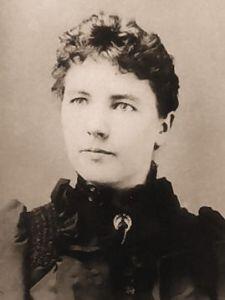
Some writers bloom early and receive recognition early, while others receive recognition later (even if they start early), or become writers later in life. If you have the urge to write, take heart from those who came before you and didn’t give up, or became inspired late in life.
Sometimes Inspiration and Opportunity Are Delayed
Authors of all ages face challenges. Sometimes wanting to write and being able to write are two different things. Laura Ingalls Wilder started writing in her 40s as a columnist. When she was 64 years old her reputation-making book, “Little House in the Big Woods,” was published. Raymond Chandler began writing after he lost his job when he was 44 years old.
James Michener, Anthony Burgess, Frank McCourt, Harriet Doerr, Mary Wesley, Helen DeWitt, and Donald Ray Pollack were not ready to publish until many years after they began writing. They had more time to write than Anna Sewell and Millard Kaufman, who passed away not long after completing their works.
Harry Bernstein wrote “The Invisible Wall” in his 90s and 40 more unpublished works before that. Like Elizabeth Jolly and Helen DeWitt, he was unable to get published despite prior efforts at writing. Unlike Helen DeWitt, who had numerous fragments, but like Elizabeth Jolly, he had completed works that never got published. This is not an unlikely fate for many writers. However, he was successful at an age when fewer authors have found success. And, after his first published success, he wrote two more novels!
Perseverance Is Rewarded for Writers Who Improve Their Craft
For years, Kent Haruf toiled at improving his writing before becoming a published novelist. Philip Schultz, who started writing when he was 17, remains a rejected novelist; however, he is a successful poet. In “Poet vs. Novelist,” a New York Times article, he explained that he wrote poems to release his sorrow at not being an accepted novelist despite writing novels for more than 20 years.
His first poem was accepted when he was 28. He was awarded the Pulitzer Prize for “The Wherewithal,” a long poem in which he used techniques he had learned while writing his rejected novels. In fact, this story in verse is also his first published novel.
Philip Schultz was rewarded as a poet, rather than a novelist. Succeeding as a poet is an accomplishment to be proud of. Literature comes in many forms, and as Rabindranath Tagore and Bob Dylan’s Nobel Prizes for Literature reveal, even the poetic verses in songs can be good literature.
Networks for writers of a mature age are rare, so joining a support group like The Prime Writers network would be helpful. It is never too late to become a writer. In fact, mature writers have a larger reservoir of life experiences to inform their writing.
- Published in Writing & Editing Resources
How Storytelling Was Renewed and Refashioned by Graphic Novels
The engaging words and images mix of graphic novels (long-form narratives in the style of comic books) has enabled creative storytellers to craft compelling stories. Academic and critical respect has followed for what was once identified as an inferior reading genre.
The internet age and the reduced free time people have today have boosted the popularity of this more visual and effective method of storytelling for young and adult readers alike.
Popularized in the ’70s, graphic novels have expanded the boundaries of comic book writing. The boldness that comes naturally to this more accessible medium has encouraged writers to be revolutionizers. Graphic novel series are highly conducive to the digital format that young and adult time-challenged readers prefer.
However, the process involved in creating the novel is harder and slower for authors. It’s also less immersive than prose because of the drawing and design work that’s required.
A Powerful Tool for Creative Minds
Graphic novel writers have accepted the advantages of using this medium to boldly engage readers. Writers have used its freedom and accessibility to address important themes, tell personal stories, and take on taboos.
The range of themes in this storytelling medium is no less restricted than traditional literature. The variety of themes is illustrated in the adolescent pains addressed in “Ghost World,” the politics of “V for Vendetta,” the personal stories of immigrants in “Persepolis” and “The Best We Could Do,” and Nazi occupation as told by “Maus.” Popular graphic novels have won the Pulitzer Prize, led to film, TV, and theater adaptations, and raised the graphic art of comic book storytelling.
These visual stories pack a punch that is powerful and effective in a way that word-centric texts cannot be. As a result, educators have used graphic novels as teaching materials. In fact, the Vietnamese author of “The Best We Could Do,” Thi Bui, was a teacher before she became a novelist. The format is also conducive to narration that alternates in time and space (the fourth dimension artfully utilized by Alan Moore) and the present and the past as reflected in Bui’s novel.
Energizing Literature with Originality
Chris Ware’s “Building Stories” is being compared to “Ulysses” by James Joyce. His earlier book, “Jimmy Corrigan: The Smartest Kid on Earth” won a literary award competing with traditional novels and was praised for its “originality and energy.” Claire Armitstead, chairperson of the judges who awarded the First Book Award to Ware’s book, described what the best graphic novels have accomplished. She said they challenge “us to think again about what literature is and where it is going at the start of the 21st century.”
- Published in Writing & Editing Resources
Building Strong Agent-Author Relationships

When an author has a new manuscript, or even the strong beginnings of one, to present to agents, the author needs to be ready to nurture the relationship from the first contact. The agent-author connection is much like any other relationship in that a healthy one benefits both parties based on what they put into it. The agent will work diligently to promote the author’s work, and the author will work to make the agent’s job easier in every way possible.
Be Prepared
Before sending any manuscript for a query, the author must put an effort into researching the company and individual person he or she is submitting to. While literary houses have rules that are generally similar, each agent will have their own niche within the publishing world and will look for a very specific type of writing or type of author. They may also have their own preferences as to the length of a sample they want to read, how it should start, and what it should contain. Authors must do the groundwork first!
Be a Professional
Literary agents are in the business of making money for themselves and for authors. They have contacts in the publishing industry that can offer tremendous opportunities for both new and established authors. Winning promotion and publishing contracts requires the author be professional at all times. Even if the writing life is a casual one, authors should put on their best airs when meeting with an agent by e-mail (in their language), via video chat, or in person. Authors are selling themselves as much as they are their books.
Bear in mind, the query letter to an agent is the first impression an author will make. Written communications should focus on professional language (no slang!) and the selling points of their work. They should be polite, addressing the agent personally, and should indicate the author is serious about creating a lasting professional relationship. Agents want to work with authors they can envision having long careers with multiple successful books. Confidence without ego is also necessary.
Be a Partner
An author’s work does not end with “The End.” The end of the writing is only the beginning of the road to publishing, and the agent will be the driving partner. Likewise, signing the publishing contract does not indicate the end of the process. Publishers want authors who are comfortable on social media, willing to present their own marketing ideas and find some of their own opportunities, especially those who can establish and grow a professional network.
The agent’s position post-publishing is to support the author in promotions, marketing, social engagements, and any other means for the publisher to generate recurring sales and interest. Authors must be willing to work with their agents, not against them. The agent should not have to pull all the weight in the professional relationship, so the author needs to be aware of the publishing process from step one and be available to contribute to their own success with their agent as a strong partner.
When authors establish themselves as part of the greater writing community, they can build many relationships. Those that benefit the author should be carefully cultivated and nurtured. It will take dedication on the author’s part, but they will find the same level of support if they land a great agent. This will be the most important relationship to come out of the publishing process.
- Published in Writing & Editing Resources